
AC Installation Cost: What Homeowners Should Budget
AC Installation Cost: What Homeowners Should Budget
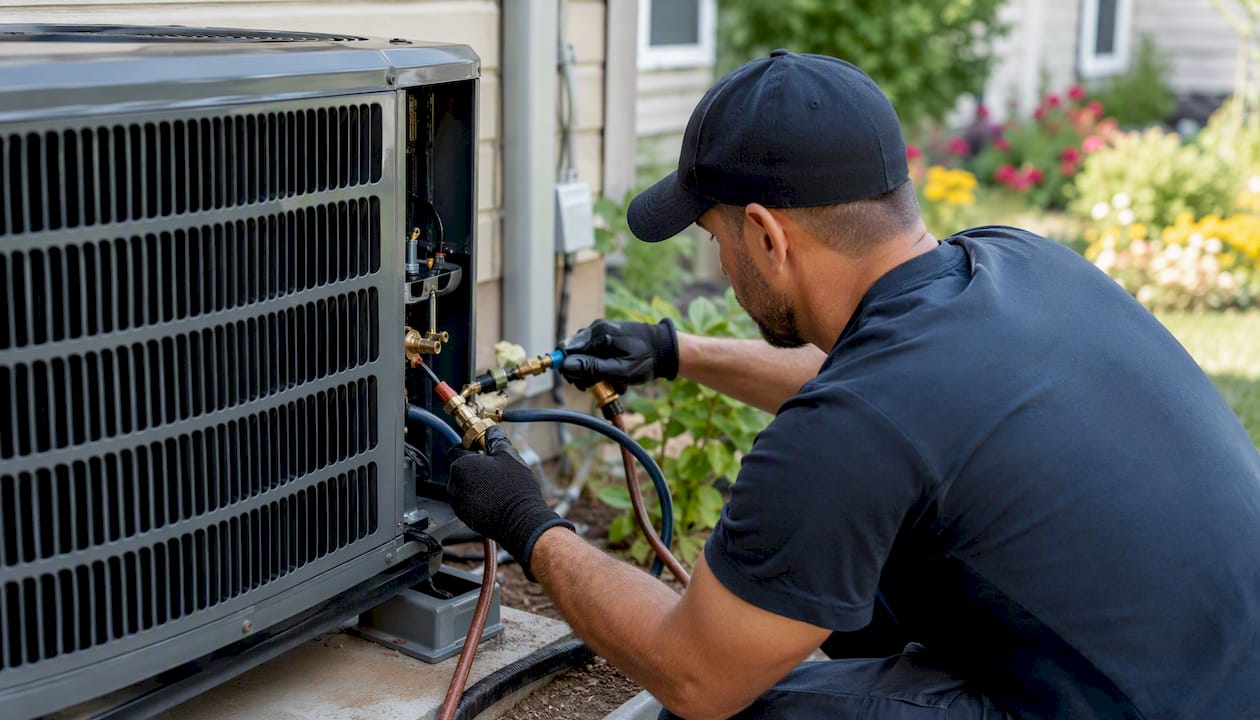
Most homeowners pay between $3,000 and $15,000 installed for a new central air conditioning system, with a realistic mid-range figure landing around $7,200 to $8,750 once you factor in equipment and standard installation. Where you fall in that range depends on unit size, efficiency rating, and whether your ductwork already works with the new system.
Anchor your budgeting around a few standards contractors actually use: SEER2 efficiency ratings, a Manual J load calculation to size the unit correctly, and EnergyStar certification if you want access to rebates. A national cost study from NerdWallet puts the typical installed window closer to $6,000 to $11,500 for many homeowner scenarios.
Before you sign anything:
- Get 2 to 3 written quotes that separate equipment cost from labor cost line by line.
- Confirm each contractor performed (or will perform) a Manual J load calculation, not a square-footage guess.
- Ask each bidder to quote the same SEER2 tier so you’re comparing apples to apples.
Pro Tip: Never accept a single lump-sum number on a quote. If a contractor won’t break out equipment, labor, permits, and add-ons separately, that’s a sign to keep shopping.
Key Takeaways
Installed central air conditioning typically costs $3,000 to $15,000, and the price mainly depends on ductwork condition, unit tonnage, and SEER2 efficiency tier.
| Point | Details |
|---|---|
| Headline cost range | Budget $3,000 to $15,000 installed, with $7,200 to $8,750 as a common mid-range figure. |
| Ductwork is the biggest swing factor | Existing usable ducts keep costs near $3,000–$15,000; new ducts push it to $3,000–$15,000. |
| Manual J sizing matters | A proper load calculation avoids oversizing, which hurts comfort and shortens equipment lifespan. |
| Compare itemized quotes | Get 2–3 written bids that separate equipment, labor, permits, and add-ons. |
| Use Local AI Page to compare installers | Search HVAC listings by ZIP code at Local AI Page to request multiple local quotes quickly. |
Table of Contents
- How Much Does AC Installation Cost by System Type?
- What Factors Actually Drive AC Installation Prices Up or Down?
- Replacement vs. New Installation: Why the Price Gap Is So Big
- Does Home Size Determine What Size AC You Need?
- What Should You Ask For in an AC Installation Quote?
- Sources
How Much Does AC Installation Cost by System Type?
The type of system you choose swings your price more than almost any other factor. A basic condenser swap and a full geothermal loop installation aren’t in the same conversation, and it helps to see them side by side before you start calling contractors.
Central air replacement with existing, usable ductwork tends to run cheaper than any project requiring new ducts. According to Carrier’s replacement cost data, a basic central AC replacement can start near $3,000, while high-efficiency systems or geothermal setups can top $25,000.
| System type | Installed price range | Typical install time | Ductwork needed? |
|---|---|---|---|
| Central AC (existing ducts) | $3,000–$15,000 | 4–8 hours | Usually no |
| Central AC (new ducts) | $3,000–$15,000 | 3–7 days | Yes |
| Air-source heat pump | $3,000–$15,000 | 1–3 days | Sometimes |
| Ductless mini-split (single-zone) | $3,000–$7,500 | 1 day | No |
| Ductless mini-split (multi-zone) | $3,000–$15,000 | 2–3 days | No |
| Geothermal | $25,000 and up | 3–7 days | Depends on layout |
Those ranges come from combined data across HVACProjectCost’s breakdown and industry averages. Higher SEER2 tiers push any system toward the top of its range, since more efficient compressors and variable-speed blowers cost more upfront even though they lower your monthly utility bills.
Pro Tip: A mini-split often beats central air on price if you’re only cooling one or two rooms and don’t want to touch existing ductwork at all.
What Factors Actually Drive AC Installation Prices Up or Down?
Two identical-looking quotes can differ by thousands of dollars, and the gap almost always traces back to a handful of factors contractors should be listing separately on your estimate.
- Ductwork condition: leaky, undersized, or missing ducts add labor and materials fast.
- Electrical panel capacity: older homes often need a panel upgrade to run a new compressor.
- Access difficulty: attic installs, rooftop units, or tight crawl spaces slow the crew down and raise labor cost.
- SEER2 tier: jumping from a baseline unit to a high-efficiency model adds to equipment cost.
- Regional labor rates: the same job can cost 20 to 30 percent more in a high-cost metro than in a rural market.
- Permits and inspections: local code requirements vary and typically add a few hundred dollars.
Labor alone typically adds $1,250 to $3,000 for a standard replacement, and that’s before any ductwork work is factored in. Ductwork replacement specifically can tack on another $2,000 to $7,500 depending on how much of the system needs rerouting or resealing.
Pro Tip: Ask every contractor to itemize the pad, line set, disconnect box, and permit fees separately. These “small” add-ons routinely account for a few hundred dollars each, and a lump-sum quote can hide them.
Replacement vs. New Installation: Why the Price Gap Is So Big
A “change-out” and a “new installation” sound similar, but they’re different jobs with very different price tags. A change-out swaps your existing outdoor condenser and, if needed, the indoor coil, while reusing your current ductwork, electrical connections, and refrigerant lines wherever code allows.
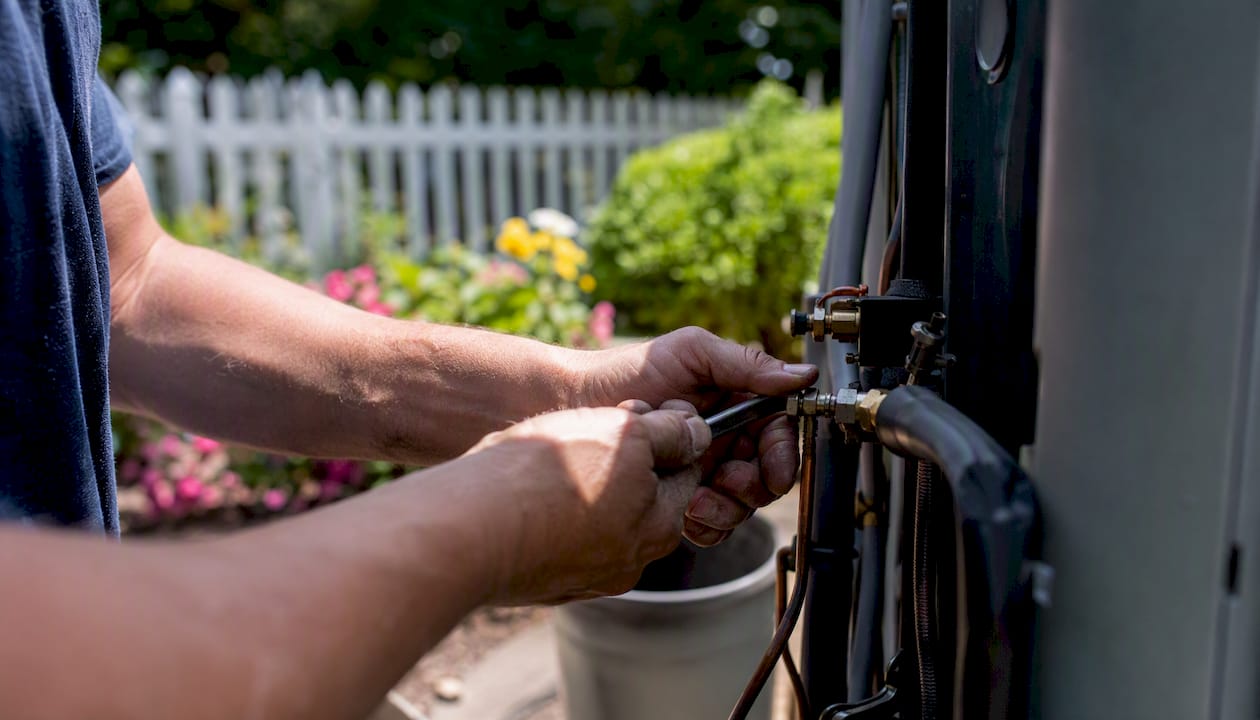
A new installation is a bigger project. It usually means running new ductwork, upgrading electrical capacity, and sometimes cutting into walls or ceilings to route lines. Industry guidance from Carrier is blunt about this: a change-out assumes your ducts and electrical are already compliant, while a new install has to build that infrastructure from scratch.
The price delta reflects that gap. A simple condenser-only swap, matched correctly to your existing indoor coil, can be as low as around one thousand two hundred to just over four thousand dollars. A full system replacement with new ductwork can cost significantly more, in the range of several thousand to over ten thousand dollars. Before you get a quote, confirm your duct condition and whether anyone has actually run a Manual J calculation on your home.
Does Home Size Determine What Size AC You Need?
Square footage alone is a rough guide, not a real answer. A Manual J load calculation accounts for insulation, window count, ceiling height, and local climate. It’s the industry standard for sizing, and it often produces a different tonnage than a simple square-foot formula would suggest.
- A 1,500 square foot home typically needs around 2.5 to 3 tons.
- A 2,500 square foot home typically needs around 4 tons.
- Each additional half-ton generally adds a few hundred dollars to equipment cost.
Oversizing seems like a safe bet, but it isn’t. An oversized unit cycles on and off too fast, leaving your home cold but humid, and it wears out compressor parts faster over its lifespan.
Pro Tip: If a contractor quotes you a tonnage without mentioning Manual J, ask directly whether they ran one. It’s a fair question, and a professional installer won’t hesitate to answer it.
What Should You Ask For in an AC Installation Quote?
A comparable quote has to include the same pieces every time, or you’re not actually comparing anything.
- Itemized pricing that separates equipment cost from labor cost.
- A copy of the Manual J load calculation used to size the system.
- AHRI-matched equipment specs confirming the outdoor and indoor units are certified as a pair.
- Written warranty terms for both parts and labor.
- A stated allowance for permits and inspection fees.
- A projected timeline from start to final inspection.
- A clear payment schedule.
Watch for red flags: a contractor asking for a large upfront deposit before any work starts, a vague scope of work, no proof of license or insurance, or a refusal to put warranty terms in writing.
- Schedule installation in spring or fall, when demand and labor rates typically drop.
- Check the EnergyStar rebate finder before buying equipment, since utility and manufacturer rebates change often.
- Ask about financing plans if the upfront cost is a stretch.
Pro Tip: A typical deposit runs 10 to 30 percent of the total project cost, with the balance due at completion or in two installments tied to inspection milestones. Anything close to 50 percent upfront deserves a second opinion.
How Long Does an AC Installation Actually Take?
A simple change-out takes 4 to 8 hours. A full replacement with ductwork work stretches to 1 to 3 days, and a complete retrofit with new ducts can run 3 to 7 days once you factor in permit and inspection delays.
On install day, expect the crew to disconnect the old unit, set a new pad, run the line set, install the coil or air handler, charge refrigerant, and test the system before signing off. Clear the work area, secure pets, and leave room for the crew’s truck and equipment.
- Confirm inspection scheduling upfront so it doesn’t add unplanned delay days.
A detailed installer workflow guide walks through the sequencing contractors follow on a typical job site.
What Does an Installer Actually Prioritize on the Job?
Correct sizing beats a bigger unit every time. Matched components, not mismatched leftovers, keep efficiency and warranties intact. Duct integrity matters as much as the equipment itself.
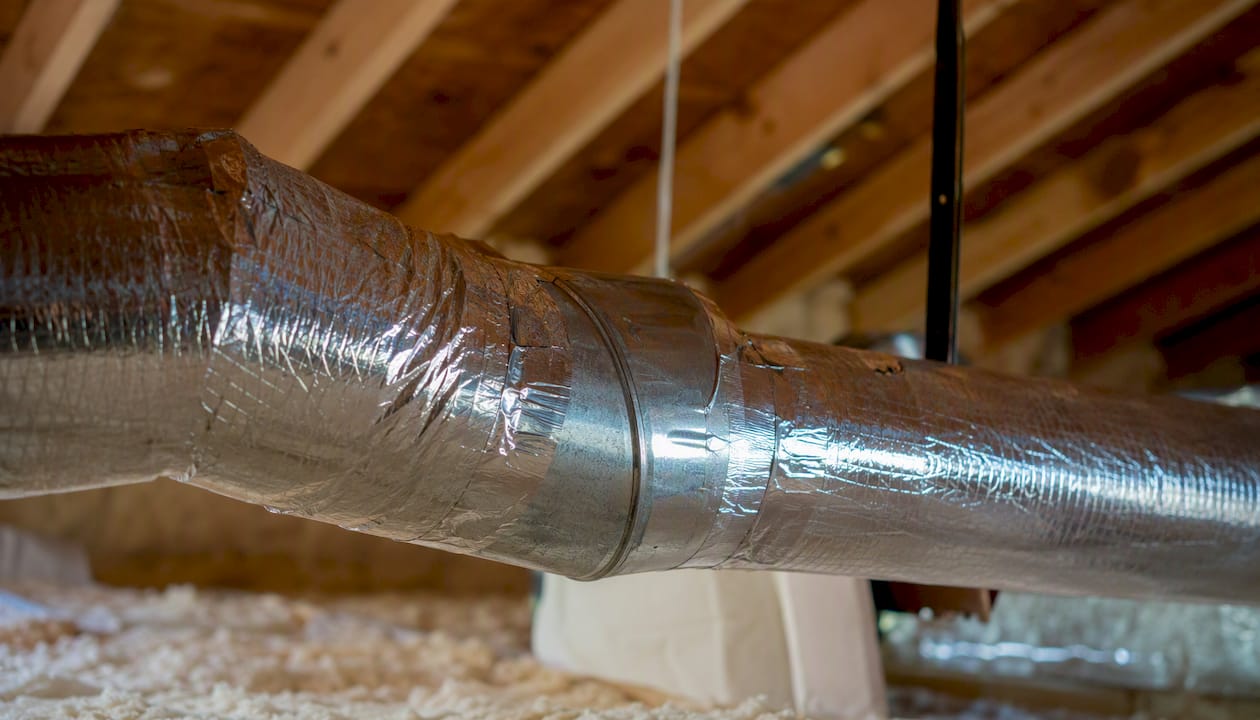
Mid-efficiency systems often make more financial sense than premium tiers in mild climates with lower runtime. Check the warranty length and expected service lifetime before you decide.
Find Local HVAC Installers Without the Guesswork
Comparing AC installation quotes usually means calling four or five contractors, waiting on callbacks, and hoping you’re comparing the same scope of work. Local AI Page cuts that process down by letting you search HVAC installers by ZIP code and see verified business profiles, service areas, and direct contact details in one place.

Instead of guessing which local companies actually serve your address, you can browse climate control listings side by side, check what areas they cover, and reach out to two or three installers directly to request the itemized quotes this guide recommends. Start your search at Local AI Page and compare local providers before you commit to a bid.
Sources
- How much does a new air conditioner cost? — Carrier (prices)
- Cost to Install Central Air — NerdWallet
- Central Air Installation Cost (2026): Full Price Breakdown — HVACProjectCost
- AC Installation Cost Calculator — HomeCostCalc