
Fence Installation Cost in 2026: What Homeowners Pay
Fence Installation Cost in 2026: What Homeowners Pay
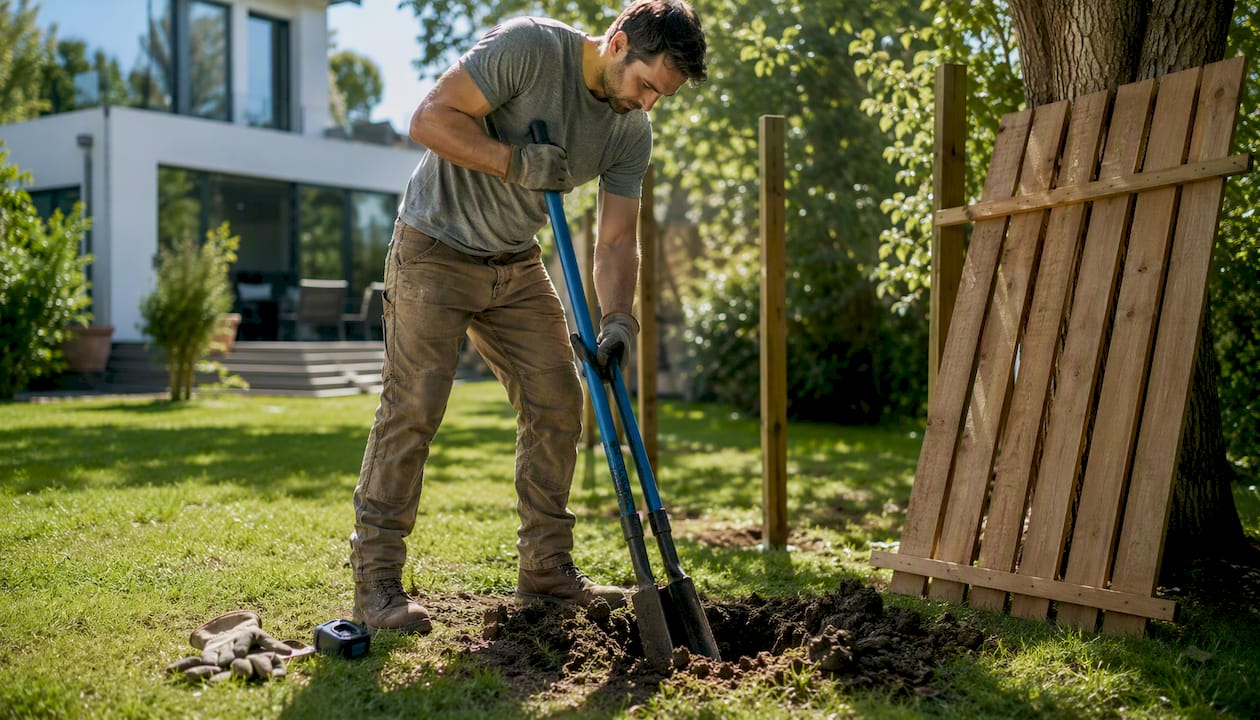
Expect to pay roughly a moderate-to-high cost per linear foot installed, depending on material, site conditions, and your region. Typical residential projects often span an average backyard size, putting most homeowners in a mid-range total cost bracket. Buildermuse’s 2026 pricing data puts a standard 165-LF wood privacy fence between $3,200 and $6,800 installed. NerdWallet pegs the national typical spend at $2,000–$5,000, though that range skews toward simpler materials and smaller yards.
Quick planning benchmarks:
- 40 LF (small side yard or dog run): $600–$2,400
- 150 LF (average backyard): $2,250–$9,000
- 200 LF (larger lot): $3,000–$12,000+
- 300+ LF (acreage or corner lot): $4,500–$18,000+
These are installed totals, meaning materials plus labor plus basic post-setting. Permits, gates, and old-fence removal are usually extra. Because labor rates and permit fees vary sharply by ZIP code, getting two or three local quotes is the only way to turn a national range into a real budget. Bureau of Labor Statistics wage data shows construction wages differ by as much as 40% between metro areas, which is why a $25/LF quote in rural Georgia and a $50/LF quote in coastal California can both be perfectly fair.
Key Takeaways
Fence installation cost ranges from $15–$60 per linear foot installed nationally, with most homeowners spending $3,000–$9,000 on a 150–200 LF project depending on material, site conditions, and local labor rates.
| Point | Details |
|---|---|
| Per-foot range | Installed costs run $15–$60/LF; wood privacy averages $18, vinyl $25, chain-link $15–$30. |
| Sample project totals | A 150-LF wood privacy fence typically costs $3,200–$6,800 installed, per 2026 data. |
| Labor is half the bill | Labor runs 40–60% of total cost, roughly $8–$18/LF; site conditions and metro area shift this significantly. |
| Call 811 before digging | Utility locates are free, legally required in most states, and prevent repair bills of $500–$5,000+. |
| Get line-item quotes | Require post depth, concrete weight, permit handling, and haul-off in every bid to compare apples to apples. |
| Local AI Page | Search by ZIP code to find vetted local fence installers with verified profiles, reviews, and direct contact info. |
Table of Contents
- What does fence installation cost by material type?
- Sample project totals for common yard sizes
- What actually drives your fence bill up or down
- DIY vs. professional installation: when does it actually save money?
- How to get accurate local quotes
- How to calculate your own fence estimate
- Project timeline and long-term maintenance costs
- What the price data tells us about how to shop for a fence
- Find vetted fence installers near you with Local AI Page
- Sources
What does fence installation cost by material type?
Material choice is the single biggest lever on your fence installation cost. Here’s what each type runs installed in 2026, based on Homewyse’s line-item calculator and costtorenovate’s 2026 material breakdown:
| Fence Type | Installed Cost per LF | Typical Lifespan | Best Use |
|---|---|---|---|
| Chain-link | $15–$30 | 20–30 years | Containment, utility, pet runs |
| Wood privacy (6’) | $18 | 15–25 years | Backyard privacy, screening |
| Split-rail (2–3 rail) | $12–$25 | 15–20 years | Decorative, large lots, pasture |
| Vinyl/PVC (6’) | $25 | 25–40 years | Low-maintenance privacy |
| Aluminum/ornamental | $25–$50 | 30–50 years | Front yard, pool enclosure |
| Composite | $30–$60 | 25–30 years | Privacy with wood look, low upkeep |
| Wrought iron/steel | $60+ | 50+ years | Security, decorative, estate |
A few things drive the material portion of that range beyond just the fence type itself. Panel style matters: a board-on-board wood privacy fence uses more lumber than a standard dog-ear picket fence at the same height, adding $3–$8 per LF. Height is another multiplier. A 4-foot chain-link fence costs noticeably less per foot than a 6-foot version, both in materials and labor, because taller posts need deeper holes and more concrete. Going from 6’ to 8’ on a wood privacy fence can add $8–$15 per LF.
Tariffs are also a real factor in 2026. Costtorenovate notes that Canadian lumber tariffs and steel tariffs have pushed wood and metal fencing prices up roughly 12–25% compared to 2024 estimates. If you’re working from a quote you got last year, adjust upward.
Sample project totals for common yard sizes
The table below uses low (chain-link or split-rail), mid (wood privacy), and high (vinyl or aluminum) material tiers. Assumptions: flat site, standard soil, no old fence removal, one walk gate included, permit excluded.
| Project Size | Low-End Total | Mid-Range Total | High-End Total |
|---|---|---|---|
| 40 LF | $600–$1,200 | $600–$1,500 | $1,400–$2,400 |
| 150 LF | $1,500–$3,000 | $2,250–$9,000 | $3,500–$6,000 |
| 150 LF | $2,250–$4,500 | $3,200–$6,800 | $5,000–$9,000 |
| 200 LF | $3,000–$6,000 | $4,500–$9,000 | $3,000–$12,000+ |
| 300 LF | $4,500–$9,000 | $4,500–$18,000+ | $4,500–$18,000+ |
Gate costs are almost always separate line items. Budget these on top of the totals above:
- Walk gate (3–4 ft): $150–$600 installed
- Double drive gate (10–12 ft): $400–$1,500 installed
- Automated gate opener: $800–$3,500 depending on gate weight and motor type
The 150-LF mid-range row aligns closely with Buildermuse’s typical project estimate of $3,200–$6,800 installed for a wood privacy fence of that length. Sloped lots, rocky soil, or a second gate will push any of these totals toward the higher end.
What actually drives your fence bill up or down
On a standard wood or chain-link job, the labor-to-material split often runs close to 50/50, with labor running roughly $8–$18 per linear foot in 2026. That means a $6,000 project might carry $2,800–$3,200 in labor alone. Here’s where the money goes:
Line-item breakdown:
- Materials (panels, pickets, posts, rails): 40–60% of total
- Labor (layout, digging, setting posts, attaching panels): 30–50%
- Concrete and post hardware: $3–$8 per post; a 150-LF fence uses roughly 19–20 posts at 8-foot spacing
- Gates and hardware: separate line item, see above
- Permit fees: $25–$400 depending on municipality and fence height
- Old fence removal and haul-off: $3–$8 per LF, or $300–$800 for a typical yard
Site conditions that add cost:
- Slope: A yard with more than a 10% grade typically adds 10–20% to labor. Stepped fencing on a steep slope can add more.
- Rock or heavy clay: Rock excavation can add $50–$150 per post when a power auger can’t penetrate. Contractors sometimes charge a per-post premium or a flat site-difficulty fee.
- Brush and tree roots: Clearing dense vegetation or cutting roots near the fence line adds prep time, usually $200–$600 for a typical yard.
- Limited access: A backyard reachable only through a narrow gate forces hand-digging and manual material carry, which adds labor hours.
Regulatory and HOA drivers:
Permits are commonly required for fences over 6 feet, pool enclosures, corner lots, and properties in flood zones. Costtorenovate documents permit ranges of $25–$400, but some municipalities charge more for expedited review. HOA approval can add weeks to your timeline and occasionally requires specific materials or colors that cost more than your first choice.
Pro Tip: Ask your contractor whether the permit is included in the quote or billed separately. Some contractors pull permits and fold the fee into their price; others hand you the permit application and expect you to handle it. Knowing which is which before you sign prevents a surprise $200 charge at the end.
DIY vs. professional installation: when does it actually save money?
A flat lot, standard soil, a simple material like chain-link or split-rail, and no permit requirement are the conditions where DIY genuinely pays off.
What DIY saves:
- Labor: $8–$18 per LF, or $1,200–$2,700 on a 150-LF project
- Markup on materials (contractors typically mark up materials 15–30%)
What DIY adds:
- Tool rental: post-hole digger or power auger ($80–$200/day), level, concrete mixer
- Time: a 150-LF fence takes most homeowners 2–4 weekends
- Risk of mistakes that cost more to fix than hiring a pro would have
Common DIY pitfalls and their long-term costs:
- Hitting a utility line: Digging without calling 811 can rupture a gas or water line. Repair bills run $500–$5,000 and up, plus liability exposure.
- Posts set too shallow: Frost heave in cold climates will push shallow posts out of the ground within 2–3 winters. Re-setting posts costs $50–$150 each.
- Gates that don’t swing true: A post set slightly out of plumb creates a gate that binds or sags within a year. Fixing it means pulling and resetting the post.
- No warranty: A professional installer typically warranties labor for 1–3 years. DIY has no such backstop.
Situations that strongly favor hiring a pro: sloped or rocky terrain, pool enclosure fencing (which must meet code), heavy automated gates, any project requiring a permit, and any fence over 200 LF where scale makes mistakes expensive. NerdWallet’s contractor guidance notes that DIY often appears cheaper until you factor in difficult digs, utility-locate risk, and warranty gaps.
How to get accurate local quotes
Getting comparable bids requires some prep work before the first contractor shows up. Here’s a reproducible process:
Before you call anyone:
- Measure your total linear footage (walk the perimeter with a measuring wheel or use a satellite measuring tool like Google Earth).
- Note the number of gates needed and their approximate widths.
- Identify slope, large roots, or access constraints along the fence line.
- Locate your property corners (survey pins, or pull your plat from the county recorder’s office).
- Call 811 to have underground utilities marked. This is free, takes 2–3 business days, and is legally required in most states before any digging. HUD sitework guidance and municipal codes consistently list utility locates as a mandatory pre-construction step.
Bid checklist: what every quote should specify:
- Total linear footage and number of posts
- Post depth and diameter, and concrete weight per post (ask for 50–80 lbs per post as a baseline)
- Material spec: species (for wood), gauge (for chain-link), brand/model (for vinyl)
- Gate count, size, and hardware included
- Whether permit is included or billed separately
- Haul-off of old fence: included or extra?
- Warranty on labor and materials
- Payment schedule (avoid paying more than 30–50% upfront)
Questions to ask every contractor:
- Are you licensed and insured in this state? (Ask for the certificate number.)
- Will you pull the permit, or is that on me?
- Can you give me a line-item breakdown, not just a total?
- What happens if you hit rock or a root ball?
- Who are your material suppliers? (A named supplier is a good sign; vague answers are not.)
Red flags: a quote with no line items, a contractor who won’t provide proof of insurance, or anyone who asks for full payment upfront.
Pro Tip: Call 811 before you accept any digging estimate. If a contractor gives you a firm quote without asking whether utilities have been located, that’s a sign they either plan to skip the step or haven’t thought about it. Either way, the risk lands on you.
How to calculate your own fence estimate
This is the formula behind every cost guide you’ll find, including the ProjectCostPro fence calculator. Run it yourself and you’ll know whether a contractor’s quote is in the right neighborhood.
Step-by-step formula:
- Total linear feet (measure your perimeter or the fence run)
- Material cost per LF (from the table in Section 2 above)
- Labor cost per LF ($8–$18/LF; use the lower end for rural areas, higher for metro)
- Post count (divide total LF by 8, then add 1 for each corner and end)
- Concrete per post ($3–$6 per post for a 50–80 lb bag)
- Gate costs (count gates and use the ranges from Section 3)
- Permit fee ($25–$400; call your local building department)
- Haul-off/disposal ($3–$8/LF if removing an old fence)
- Contingency (add 10–15% for site surprises)
Regional adjustment: Use BLS occupational wage data to find the construction wage index for your metro area. The ProjectCostPro calculator uses a similar state-level multiplier approach.
Worked example: 150-LF wood privacy fence, suburban Midwest
That $5,770 sits squarely inside Buildermuse’s $3,200–$6,800 range for a 165-LF wood privacy project. Swap in vinyl at $22/LF for materials and $14/LF for labor, and the same project climbs to roughly $7,200 before contingency.
Project timeline and long-term maintenance costs
Typical project calendar:
- Permitting: 3–14 business days in most municipalities; some jurisdictions run 3–6 weeks for complex lots
- Contractor scheduling: 1–4 weeks lead time in most markets; longer in peak spring/summer season
- On-site installation:
- Small project (under 75 LF): usually 1 day
- Medium project (75–200 LF): 1–3 days
- Large project (200+ LF): 3–5 days or more, especially with gates or difficult terrain
Maintenance costs by material:
- Wood: Stain or seal every 2–3 years ($0.50–$2.00/LF per treatment, or $75–$300 for a typical yard). Expect to replace boards or posts over a 20-year life.
- Vinyl: Wash annually with soap and water; no staining needed. Occasional UV-related fading after 15+ years may require panel replacement.
- Chain-link: Minimal maintenance; inspect for rust at galvanized joints every few years. Budget $50–$150 for occasional tension wire or slat replacement.
- Aluminum/ornamental: Touch up paint or powder coat every 5–10 years ($200–$600 for a typical section). Virtually no structural maintenance.
- Wrought iron: Annual rust inspection and spot painting; full repaint every 7–10 years ($400–$1,200 depending on linear footage).
Lifecycle budgeting example: A wood privacy fence at $5,500 installed, stained every 3 years at $200 per treatment, over a 20-year lifespan costs roughly $5,500 + (7 treatments × $200) = $6,900 total, or about $345 per year. A vinyl fence at $7,500 installed with near-zero maintenance over 30 years runs $250 per year. The upfront price gap closes fast when you annualize it.
What the price data tells us about how to shop for a fence
Most homeowners anchor on the per-foot number and stop there. That’s the wrong place to anchor. The per-foot range for any given material is wide enough ($15–$60) that it tells you almost nothing about what you’ll actually pay until you know your site conditions, your local labor market, and whether your project needs a permit.
The more useful question is: what’s the total installed cost for my specific yard, and what are the two or three variables most likely to push it higher? For most suburban homeowners, those variables are slope, gate count, and whether an old fence needs to come out. Rocky soil and limited access are less common but far more expensive when they apply.
Getting three line-item quotes from local contractors, after calling 811 and measuring your perimeter, is the only method that reliably produces a number you can trust. National averages are a starting point for budgeting, not a substitute for local bids.
Find vetted fence installers near you with Local AI Page
You’ve done the math. Now the practical step is finding contractors who will actually show up, pull the permit, and stand behind their work.

Local AI Page connects homeowners with local fence installers through a simple ZIP code search. Each listing includes verified service areas, direct contact details, FAQs, and customer reviews, so you can compare contractors before you pick up the phone. Instead of cold-calling from a Google search and hoping for the best, you get a shortlist of providers who serve your specific area and have a public track record.
Enter your ZIP code, pull up two or three fence installer profiles, and use the bid checklist from this guide to make sure every quote covers the same scope. Still verify licensing and insurance directly with each contractor. Browse local fence pros by ZIP code and start collecting comparable bids today.
Sources
These are the primary sources behind the cost ranges and calculator logic in this guide: